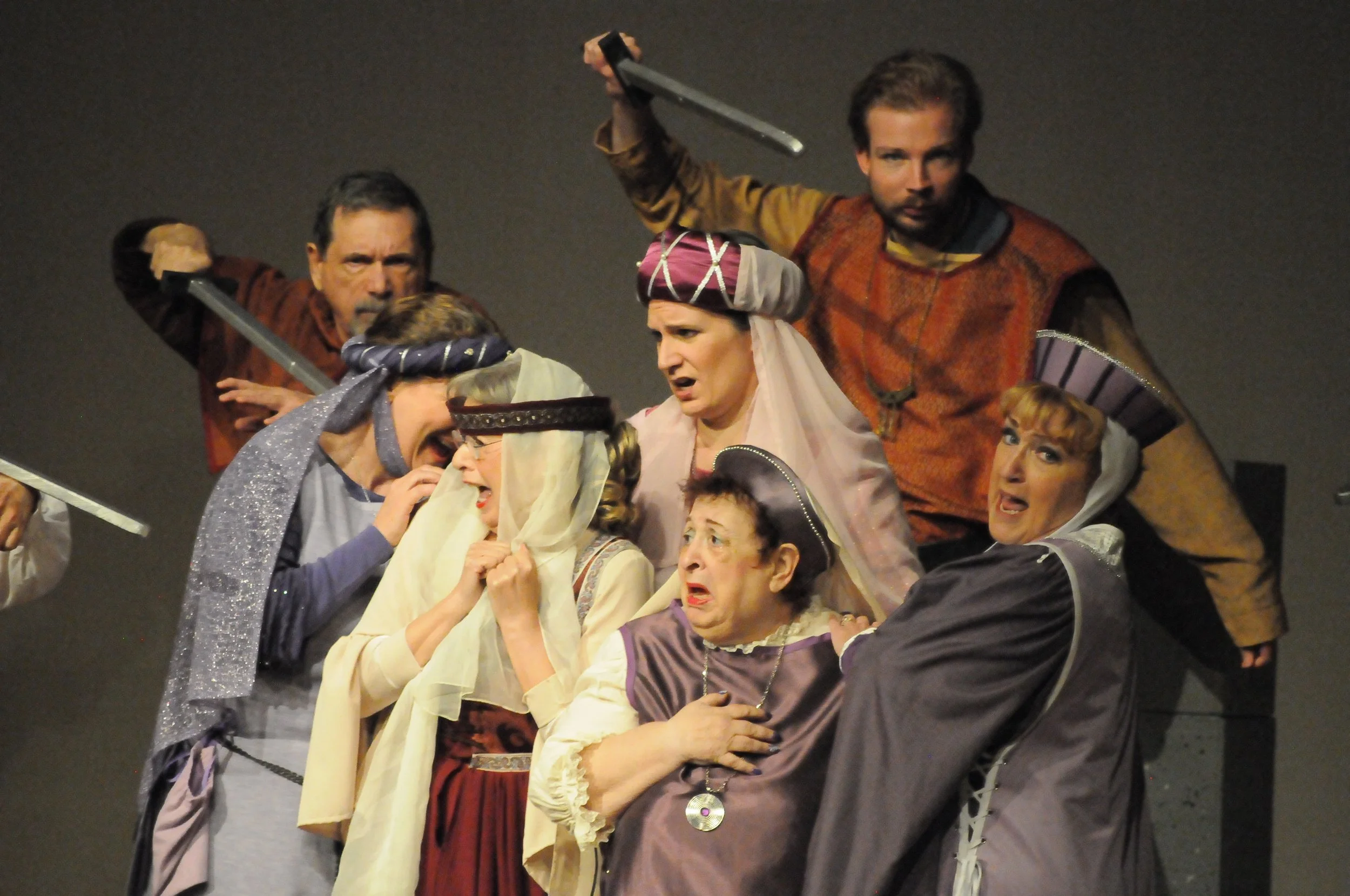
Princess Ida
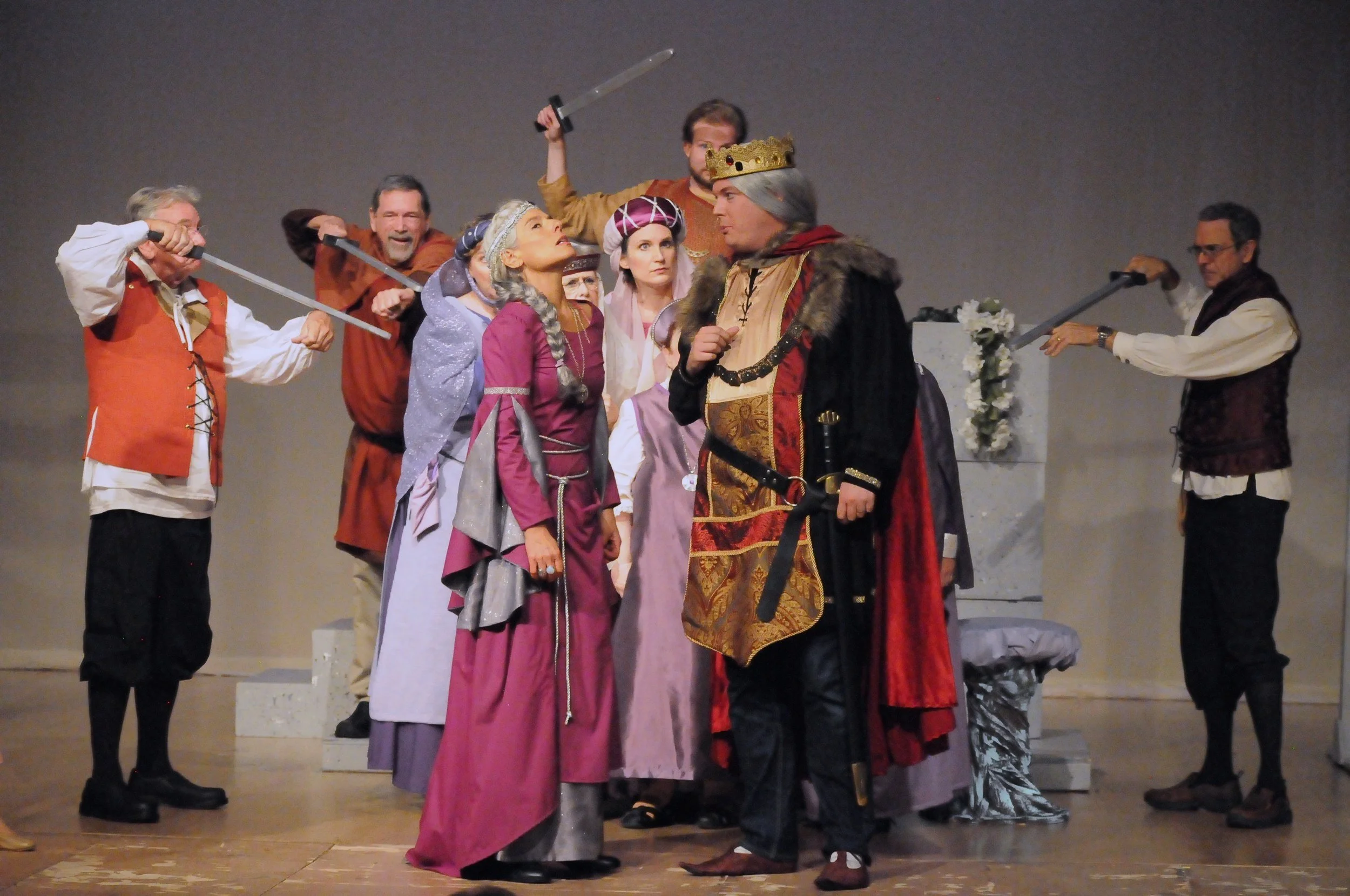
Lyrics by W.S. Gilbert
Music by Arthur Sullivan
September 20, 21, 27, 28, 2022, 7:00 P.M.
September 22 & 29, 2:00 P.M.
Alpenrose Opera House
6149 SW Shattuck Road
Portland, Oregon
Cast and Crew
King Hildebrand
Laurence Cox
Hilarion (King Hildebrand’s son)
Aaron Lange
Cyril (Hilarion’s friend)
Carl Dahlquist
Florian (Hildbrand’s friend)
David Ridley
King Gama (Ida’s father)
Ken Malucelli
Arac (Gama’s son)
James Montgomery
Guron (Gama’s son)
Lincoln Thomas
Scynthius (Gama’s son)
Marcos Galvez
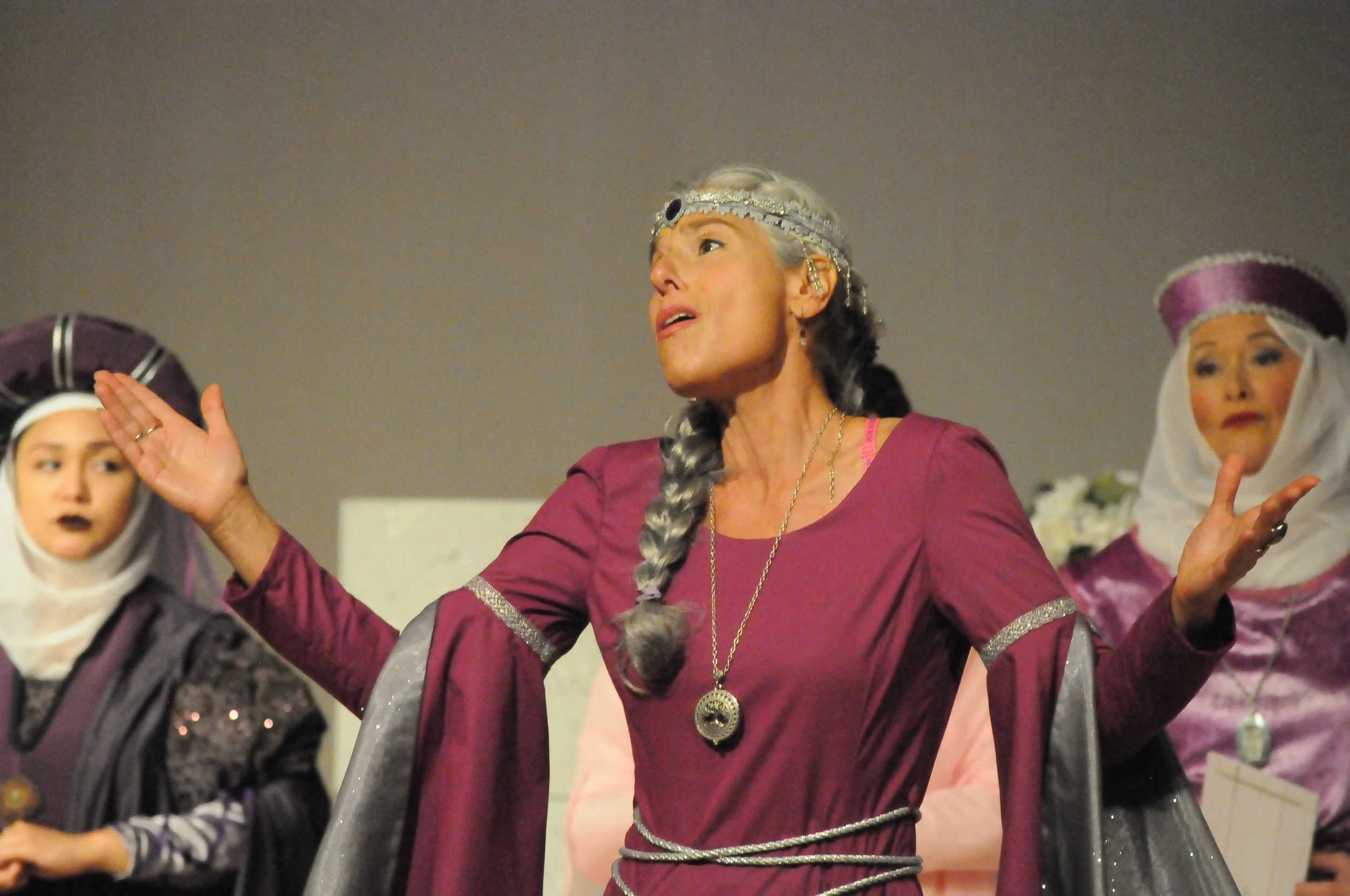
Princess Ida (Gama’s daughter)
Gabrielle Widman
Lady Blanche (Professor of Abstract Science)
Beatriz Abella
Lady Psyche (Professor of Humanities)
Lindsey Lefler
Melissa (Girl graduate)
Mandee Light
Sacharissa (Girl graduate)
Viveka Stuhlbarg
Chloe (Girl graduate)
Marianne Sadée
Ada (Girl graduate)
Bryna Montgomery
Queen (Hildebrand’s wife)
Beth Kahlen
Chorus
Anne Kolibaba Larkin, Beatriz Abella, Viveka Stuhlbarg, Beth Kahlen, Bryna Montgomery, Cathrine Huard, Jan Rosenthal, Jaymie Sanfilippo-Sherrard, Lindsey Lefler, Mandee Light, Marianne Sadeé
Bill Wuertz, Carl Dahlquist, David Ridley, Dennis Kelly, Harold Williams, James Montgomery, Lincoln Thomas, Marcos Galvez, Michael McGee, Thomas McAulay
Director
Dennis Britten
Assistant Directors
Beth Kahlen & Laurence Cox
Music Director
Linda Smith
Producer
David Smith
Stage Manager & Prop Master
Amy Barnhart
Dance Captain
Catherine Huard
Lighting Design
Dennis Britten
Lighting Manager
Ian McCarthy
House Manager
Chuck Weed
Accompanist
Yvette Starkey
Costume Designer
Lucy Tait
Set Designer
Dennis Britten
Publicity
Laurence Cox
Outreach
Gabrielle Widman
Membership
Linda Smith
Program and Website
Sheryl Wood
Posters
David Smith
Logo
Tony Smith
SUmmary
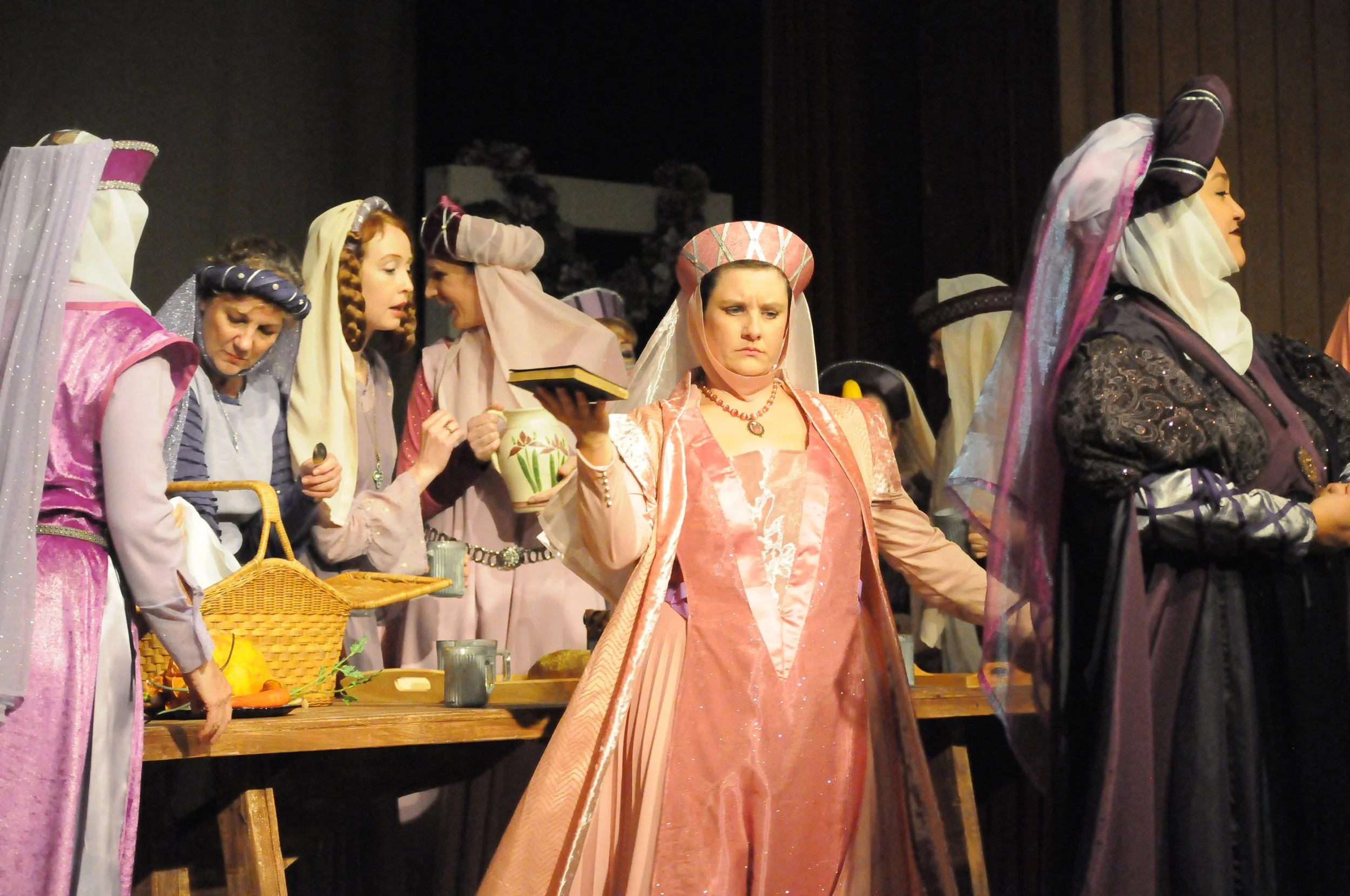
Princess Ida, or Castle Adamant, was produced at the Savoy Theatre on 5 January 1884, but for some reason it never attained the success of the other operas. Yet when it was revived at the Princes Theatre on 24 January 1922, after a lapse of thirty-eight years, it was received throughout with the thunderous applause it so richly deserves, for it is full of true Gilbertian humour, and contains also some of Sullivan’s most delightful music.
It is perhaps the least known of the operas now regularly performed, but not necessarily therefore the least interesting, and is the only one of the series written in three acts. (G&S Archive)